
A cashback stacking strategy is one of the most powerful ways to squeeze real money out of purchases you're already making. Instead of relying on a single app or card, you layer multiple cashback sources on top of each other — and the savings add up fast.
- Key Takeaways
- Cashback stacking combines credit cards, apps, and portals to earn 8–12%+ back on a single purchase
- Three layers work together: your cashback credit card, cashback apps/browser extensions, and shopping portals or card-linked offers
- Different purchase categories (groceries, gas, online shopping) have different optimal stacking combos
- Apps like Rakuten, Ibotta, Fetch, Upside, and Dosh can all be layered on top of your credit card rewards
- A simple pre-purchase checklist prevents you from leaving money on the table
What Is a Cashback Stacking Strategy?
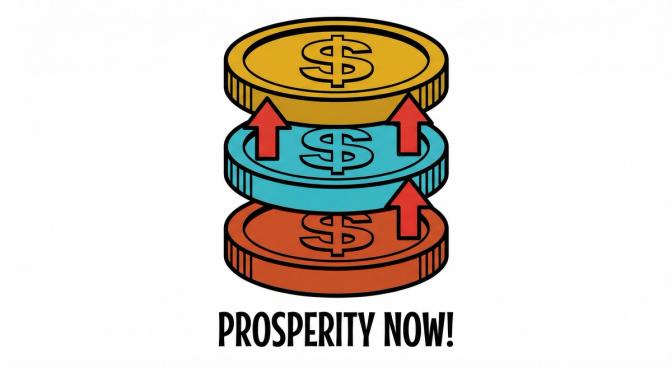
A cashback stacking strategy means combining multiple cashback sources on a single purchase so you earn rewards from more than one place at the same time. Think of it like couponing, but automated and built around apps you already have on your phone.
Most people pick one method — a rewards credit card or a cashback app — and stop there. Stacking means you use both simultaneously, plus a shopping portal or card-linked offer on top. The result is often 8–12% back on purchases where you'd normally earn 1–3%.
How the Three Layers of Stacking Work
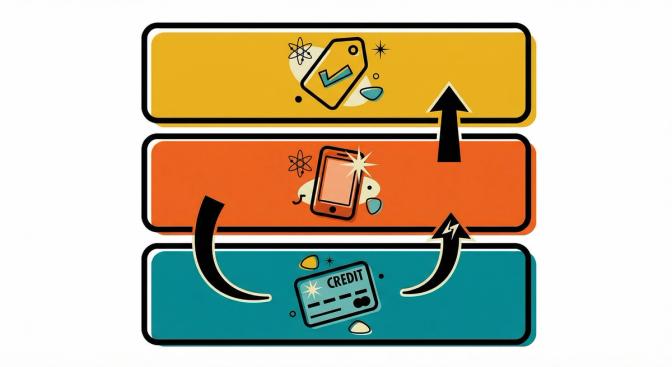
Stacking works because most cashback sources don't cancel each other out — they're independent programs that don't know (or care) about each other. Each layer rewards you separately for the same transaction.
The three layers are:
- Layer 1 — Your cashback credit card: The foundation. Earns a percentage back on every purchase automatically.
- Layer 2 — Cashback apps and browser extensions: Apps like Rakuten, Ibotta, Fetch, Honey, and Capital One Shopping add a second layer of rewards on top.
- Layer 3 — Shopping portals and card-linked offers: Programs like Upside and Dosh link directly to your card or offer portal-specific bonuses, adding a third layer.
Stack all three correctly and a $100 purchase can realistically return $8–$12 in cash back and rewards.
Layer 1 — Your Cashback Credit Card (The Foundation)
Your credit card is the base layer of every stack. It earns rewards on every dollar you spend, regardless of what apps or portals you use on top of it.
The goal at this layer is to match your card's bonus categories to your biggest spending areas. A card that earns 3% on groceries, 3% on gas, and 1% on everything else is worth far more to you than a flat 2% card — if groceries and gas are where you spend most.
How to Choose the Right Base Card for Stacking
Look for cards with elevated bonus categories that align with where you shop most. Common high-earning categories include groceries, gas, dining, and online shopping.
Popular options that pair well with stacking apps include:
- Cards with 3–6% back on groceries (great for layering with Ibotta and Fetch)
- Cards with 3–5% back on gas (pairs perfectly with Upside)
- Cards with 3–5% back on online shopping (stacks well with Rakuten and shopping portals)
The key rule: always pay with your cashback card, even when using an app or portal. The card doesn't know you're also using Rakuten — it just sees a purchase and pays you.
Layer 2 — Cashback Apps and Browser Extensions
This is where the strategy gets interesting. Layer 2 apps and extensions sit on top of your credit card and add anywhere from 1% to 10%+ back depending on the retailer and current offers.
The best part is that most of these apps work independently of each other. You can use Rakuten for your portal click, apply a coupon from Honey, and still earn credit card points — all on the same order.
How to Stack Rakuten on Top of Your Credit Card
Rakuten is one of the most valuable tools in any stacking strategy. It offers cash back at thousands of online retailers — often 3–10% — simply by clicking through its portal before you shop.
Here's how to use it:
- Open the Rakuten app or browser extension before you start shopping
- Search for the retailer you plan to visit
- Click through to the store from Rakuten
- Complete your purchase using your cashback credit card
Rakuten pays you quarterly via PayPal or check. Combined with a 2–3% credit card, you're already at 5–13% back before adding anything else.
How to Add Ibotta or Fetch for Extra Savings
Ibotta and Fetch both reward you for purchases you've already made — but they work slightly differently.
Ibotta requires you to claim offers before you shop, then verify your purchase by scanning your receipt or linking your store loyalty account. Fetch lets you scan any receipt after the fact to earn points, with bonus points for specific brands.
For groceries specifically, the combination is powerful:
- Claim an Ibotta offer for $0.50–$1.00 off a specific product
- Buy it with your cashback credit card (earning 3–6% back)
- Scan the receipt in Fetch for additional points
- Scan the same receipt in Checkout 51 if there's a matching offer
Yes, you can scan the same receipt in multiple apps. Fetch, Ibotta (via receipt scan), and Checkout 51 all accept the same grocery receipt — that's legitimate stacking.
Using Honey or Capital One Shopping for Coupon Codes
Honey (now PayPal Honey) and Capital One Shopping are browser extensions that automatically find and apply coupon codes at checkout. They're technically Layer 2 tools, but they serve a slightly different purpose — reducing the price before your cashback is calculated.
A lower pre-discount price means less cashback from portals like Rakuten, so the order matters. Apply coupon codes first, then confirm your Rakuten click is still active. If the coupon saves you $15 on a $100 order, you're earning cashback on $85 — but you're still ahead overall.
Capital One Shopping also offers price comparison and reward notifications, making it a useful secondary tool even if you don't have a Capital One card.
Layer 3 — Shopping Portals and In-Store Apps
Layer 3 covers programs that work in physical stores or link directly to your payment card. These are especially valuable for gas and grocery purchases where browser extensions don't apply.
How Upside Stacks With Your Credit Card at Gas Stations
Upside offers cash back on gas, groceries, and restaurant purchases. You claim an offer in the app, pay at the pump or register, then upload your receipt for verification.
The critical point: Upside cash back stacks directly with your credit card rewards. If your card earns 3% on gas and Upside is offering 15 cents per gallon at a nearby station, you earn both. On a 15-gallon fill-up at $3.50/gallon ($52.50 total), that's roughly $1.57 from your card plus $2.25 from Upside — $3.82 back on one gas stop.
Using Dosh for Automatic Card-Linked Stacking
Dosh is one of the simplest stacking tools available because it requires zero action at the time of purchase. You link your credit or debit card once, and Dosh automatically detects qualifying purchases and deposits cash back into your account.
The stacking advantage here is that Dosh works on top of whatever card you've linked. If you link a 2% cashback card and Dosh offers 2% at a restaurant you visit, you earn 4% total with zero extra steps. It's passive Layer 3 stacking at its easiest.
Best Cashback Stacking Combos (With Real Dollar Examples)
Here's where the strategy becomes concrete. These are tested combinations organized by purchase category.
The Online Shopping Stack: Up to 10%+ Back
Scenario: $100 purchase at a major retailer like Target or Best Buy
| Layer | Tool | Cashback |
|---|---|---|
| Credit Card | 2% flat-rate card | $2.00 |
| Portal | Rakuten (5% offer) | $5.00 |
| Coupon Code | Honey (saves $5) | Reduces price |
| Total | $7.00+ on $95 spend |
With a higher-category card (say, 5% on online shopping) and a strong Rakuten offer (8–10%), it's realistic to hit $10–$13 back on a $100 purchase.
The Grocery Stack: Combining Ibotta, Fetch, and Checkout 51
Scenario: $80 grocery run at a store like Kroger or Walmart
- Credit card: 3% grocery card = $2.40
- Ibotta: 3 claimed offers averaging $0.75 each = $2.25
- Fetch: 1,000–2,000 points (worth roughly $0.50–$1.00)
- Checkout 51: 1 matching offer = $0.50
Total back: approximately $5.65–$6.15 on an $80 grocery trip — that's nearly 7–8% back with no extra spending.
The Gas Station Stack: Upside Plus Your Credit Card
Scenario: 15-gallon fill-up at $3.60/gallon = $54 total
- Credit card: 3% gas card = $1.62
- Upside: 20 cents per gallon offer = $3.00
Total back: $4.62 on a $54 gas purchase — that's 8.5% back on gas, which beats almost every standalone rewards card on the market.
How to Stack Cashback Without Missing a Step
The biggest reason people miss out on stacking rewards isn't that the strategy is complicated — it's that they forget to activate one of the layers before completing a purchase.
The Stacking Checklist to Use Before Every Purchase
Run through this checklist before every qualifying purchase:
For online shopping:
- Open Rakuten or your preferred portal and click through to the retailer
- Activate your browser extension (Honey or Capital One Shopping) to find coupon codes
- Apply coupon codes, then confirm your portal session is still active
- Pay with your highest-earning cashback credit card
- Check if the retailer is listed in Dosh and link your card if you haven't already
For groceries:
- Open Ibotta and claim all relevant offers before you shop
- Check Checkout 51 for any matching offers
- Pay with your grocery-category cashback credit card
- Scan your receipt in Fetch immediately after checkout
- Submit your receipt to Ibotta and Checkout 51 for verification
For gas:
- Open Upside and claim the best nearby offer before you pull up
- Pay at the pump with your gas-category cashback credit card
- Upload your receipt in Upside within the required window
- Confirm Dosh has your card linked for any additional automatic rewards
Common Stacking Mistakes to Avoid
Even experienced stackers leave money on the table. Here are the most common errors and how to fix them:
- Forgetting to click through the portal first. Rakuten only pays if you start your session from their site or extension. Going directly to the retailer's website means you lose that layer entirely.
- Letting Ibotta offers expire unclaimed. Ibotta offers are time-sensitive. Claim them before you shop, not after you've already bought the item.
- Using a debit card instead of a cashback credit card. Dosh and Upside work with debit cards, but you lose the credit card rewards layer entirely. Always use a cashback credit card when possible.
- Stacking coupon codes in the wrong order. Apply coupons before finalizing your portal session. Some portals will void your cashback if a third-party coupon code is detected — check Rakuten's terms for specific retailers.
- Ignoring receipt app deadlines. Fetch and Checkout 51 both have submission windows. Scan your receipt the same day you shop to avoid missing out.
- Only stacking for big purchases. Stacking on a $25 grocery trip still returns $1.50–$2.00. Over 50 trips a year, that's $75–$100 in found money.
Frequently Asked Questions About Cashback Stacking
Is cashback stacking legal and allowed by the apps? Yes. Each cashback program operates independently and rewards you for your purchase through their own affiliate or partnership agreements. There are no terms of service violations in using multiple apps on the same purchase.
Does using Rakuten affect my credit card rewards? No. Rakuten pays you separately from your credit card issuer. Your card sees a normal purchase and pays its standard rewards rate regardless of any portal you used.
Can I scan the same receipt in Fetch and Ibotta? Yes. Both apps accept the same receipt. Ibotta requires you to claim offers before purchase; Fetch accepts any receipt after the fact. You can submit to both, plus Checkout 51, for the same grocery trip.
How much can I realistically earn stacking cashback? On everyday purchases, expect 5–10% back when stacking properly. A household spending $500/month on groceries and gas alone could realistically earn $300–$600 per year through consistent stacking — without changing where they shop.
Frequently Asked Questions
What is a cashback stacking strategy?▾
A cashback stacking strategy means combining multiple cashback sources — like a rewards credit card, cashback apps, and shopping portals — on a single purchase to earn rewards from all of them simultaneously. Instead of earning 1–3% from one source, stacking can return 8–12%+ on the same transaction. It works because each cashback program operates independently and doesn't cancel out the others.
Can you use Rakuten and a cashback credit card at the same time?▾
Yes, you can use Rakuten and a cashback credit card at the same time — they work completely independently of each other. Click through Rakuten to activate your portal cashback, then pay with your rewards credit card as usual and you'll earn both. This is one of the most common and effective cashback stacking combinations available.
How much extra cashback can you earn by stacking?▾
Stacking cashback sources can realistically earn you 8–12%+ back on a single purchase, compared to the 1–3% you'd get from one source alone. On a $100 purchase, that translates to $8–$12 in combined cash back and rewards. The exact amount depends on the retailer, your credit card's bonus categories, and which apps have active offers.
Does stacking cashback apps violate any terms of service?▾
Stacking a cashback credit card with apps like Rakuten or Ibotta does not violate any terms of service, since each program rewards you independently for the same transaction. However, stacking multiple shopping portals on a single online order (for example, clicking through both Rakuten and another portal) can cause tracking conflicts and may violate portal terms. Stick to one portal per order and layer your card and apps freely on top.
What is the easiest cashback stack for beginners?▾
The easiest beginner cashback stacking strategy is to pair a flat-rate or category cashback credit card with Rakuten for online shopping and Ibotta or Fetch for groceries. For gas purchases, add Upside on top of your credit card for an instant second layer of savings. These three apps are free, beginner-friendly, and can be combined with almost any rewards card you already have.
Which cashback apps work best together for stacking?▾
Rakuten, Ibotta, Fetch, Upside, and Dosh are among the best cashback apps to stack together because they cover different purchase categories and don't interfere with each other. Rakuten and Ibotta work well for online and grocery purchases, while Upside and Dosh are strong options for gas and dining. Layering any of these on top of a bonus-category credit card is the core of an effective cashback stacking strategy.